A journey through the fascinating history of gambling
The Origins of Gambling
The roots of gambling can be traced back to ancient civilizations, where games of chance were often linked to religious rituals and social gatherings. The earliest evidence of gambling dates back to around 3000 BC in Mesopotamia, where dice were made from knucklebones. These primitive games laid the groundwork for the complex betting systems we know today, and many modern platforms, including Fortunica online casino, showcase the vast evolution of this pastime.
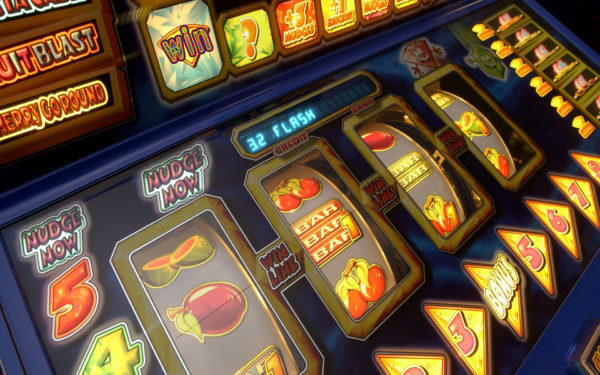
As societies evolved, so did gambling. Ancient Egyptians played various forms of gambling, including board games that involved betting. The Greeks and Romans also embraced gaming, associating it with leisure and entertainment. These early instances of gambling not only highlight its entertainment value but also its role in fostering community bonds and social interaction.
The Development of Gambling in the Middle Ages
During the Middle Ages, gambling began to take on a more structured form, with the emergence of regulated games. The invention of playing cards in the 14th century introduced new ways for people to wager. Gambling houses began to appear across Europe, particularly in Italy and France, where card games like Baccarat became immensely popular.
This era also saw the establishment of lotteries, which were initially used to fund public projects. The concept of gambling as a means of raising money gained traction, leading to various forms of legalized betting. Despite occasional crackdowns from authorities concerned about moral decay, gambling continued to thrive as a pastime.
Gambling in the Modern Era
The 17th and 18th centuries marked a pivotal moment in gambling history. The rise of casinos in Europe transformed gambling into a sophisticated and glamorous activity. Cities like Monte Carlo and Venice became synonymous with lavish gambling establishments, attracting the elite from around the world.
With the expansion of the British Empire, gambling also spread to the Americas. The establishment of gaming houses in New Orleans and later Las Vegas turned gambling into a cornerstone of American entertainment culture. The 20th century saw significant changes, including the introduction of slot machines and the widespread popularity of sports betting, further embedding gambling into societal norms.
The Impact of Technology on Gambling
The digital revolution has drastically changed the landscape of gambling. The advent of the internet in the late 20th century paved the way for online casinos, bringing the thrill of gambling into homes around the globe. Players can now access a plethora of games at their fingertips, ranging from traditional table games to modern video slots.
Mobile technology has further enhanced accessibility, allowing users to gamble on-the-go. This convenience has led to a significant increase in participation, particularly among younger generations. Online gambling platforms have incorporated advanced security measures and innovative features, creating a safe and enjoyable experience for players.

Discovering Fortunica Casino
Fortunica Casino embodies the evolution of gambling in the modern age, offering an extensive selection of over 5,000 games, including live dealer options and quick-play formats. Launched in 2026, the platform combines user-friendly design with cutting-edge technology, ensuring an engaging experience for players.
With a commitment to player satisfaction, Fortunica provides generous bonuses, including a welcome offer that can reach up to €3,000 plus 200 free spins. The casino prioritizes security and customer support, ensuring that players can enjoy their gaming journey with peace of mind. Join the vibrant community at Fortunica Casino and explore the exciting world of online gaming today.